Is the idea of a film enthralling to you? And by film, I don’t mean just a series of pictures put one after the other (though that in itself is quite curious, human mind makes it so). No, I am talking of something much more conceptual. Film as a concept. A film as a concept here being, something that makes you laugh, cry, feel fear, maybe even nostalgia but is that all a film has to be, can’t it as a concept resonate with much more of what makes a human’s being. Our dreams, the unknowns, the undelved, the repressed, the subconscious also stand as concepts waiting to be explored and no not as cliché tropes and ‘used to a rug’ stereotypes but as complete proof of concepts.
The FLIMS
OUR WORK
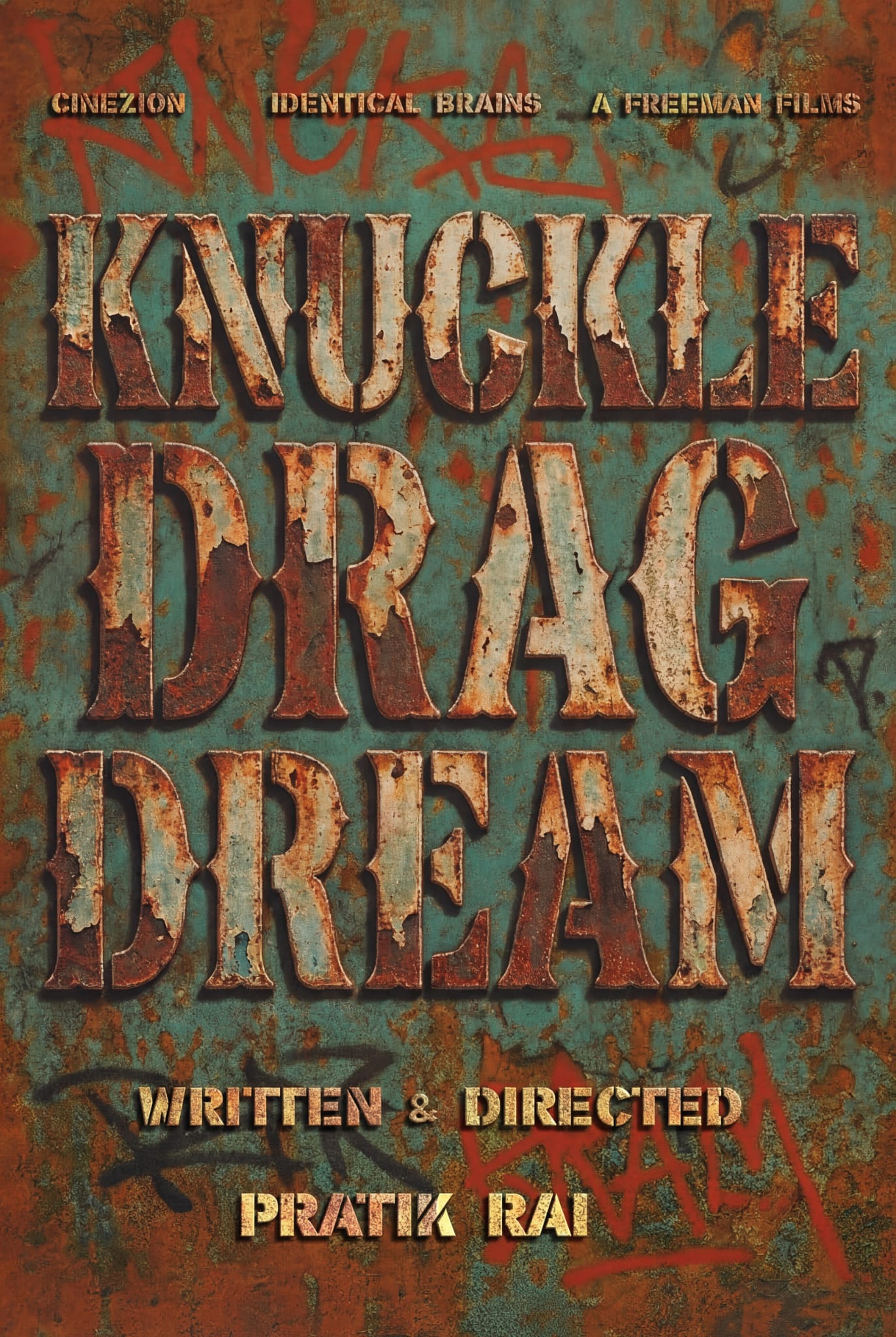
KNUCKLE DRAG DREAM
In a dystopian urban sprawl, a struggling boxer moves through a system where effort, ambition, and survival begin to blur into something mechanical, raising the question of whether struggle leads anywhere — or simply continues.
Director Statement
Knuckle Drag Dream began with a simple irritation: the romanticism of struggle. Philosophers, motivational culture, and cinema often frame hardship as something noble or transformative. But that idea usually comes from a distance. For most people, struggle is not poetic or heroic. It is repetitive, practical, and often absurd.
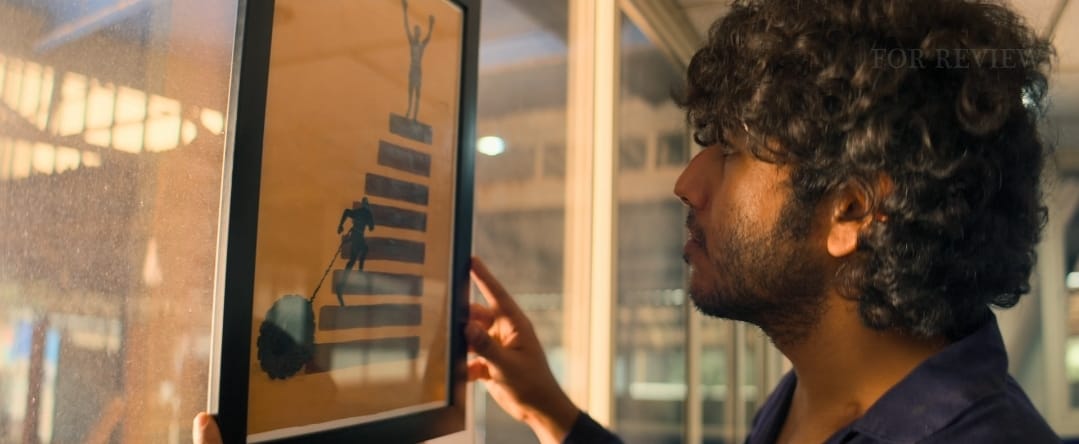
My film loosely engages with the absurdist thinking of Albert Camus, particularly the image of Sisyphus endlessly pushing his burden uphill. Rather than rejecting that idea outright, the film asks a quieter question: what does that philosophy look like from inside the struggle instead of observing it from above?
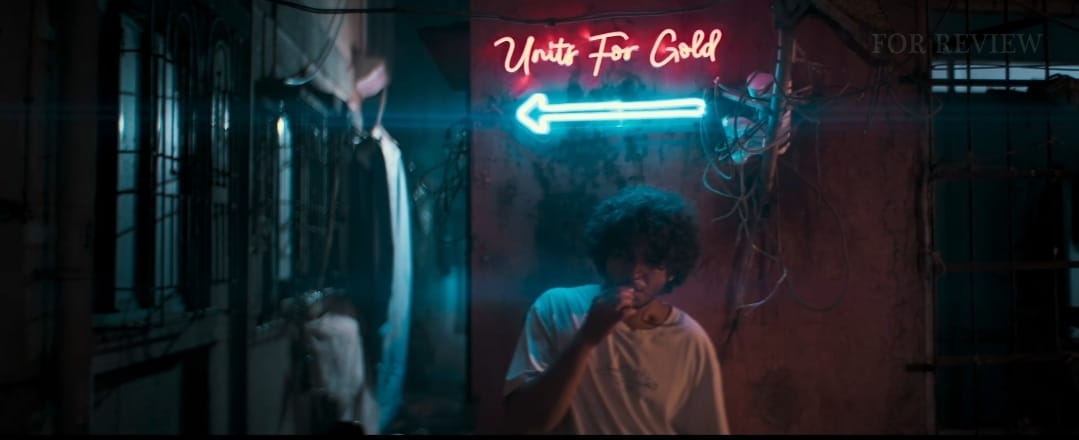
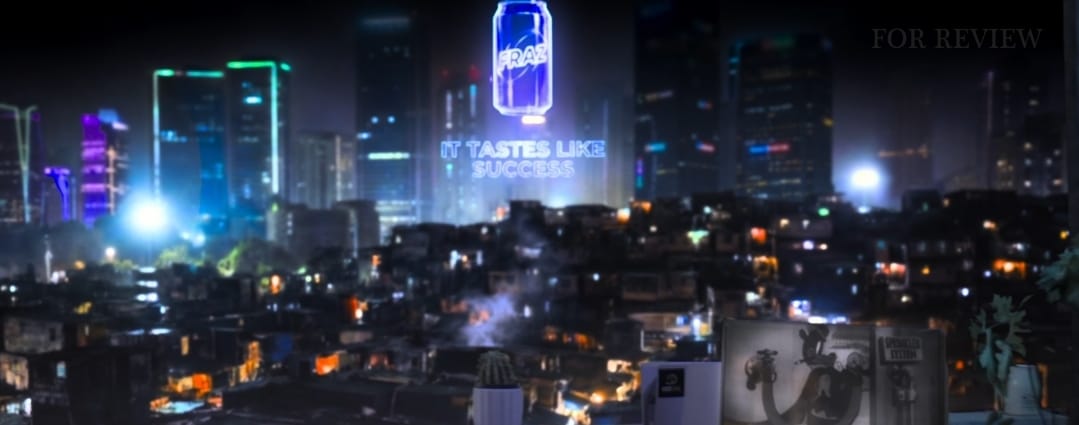
The cyberpunk setting was chosen to create that distance. By exaggerating the signals of alienation — towering inequality, relentless advertising, mechanical urban rhythms — the film isolates human behavior in a way that everyday realism often cannot. Shooting in Mumbai reinforced this approach. The city's density, noise, and contradictions already contain the raw materials of a dystopian landscape.
At its core, Knuckle Drag Dream is interested in the contradiction between persistence and illusion — the stubborn instinct to keep moving forward, and the dream that convinces us the struggle is leading somewhere.
Systems don't just control outcomes — they also influence how people interpret their own struggle. This film isn't about struggle, it's about what defines the meaning of struggle — and for who.
Written and directed by: Pratik Rai.
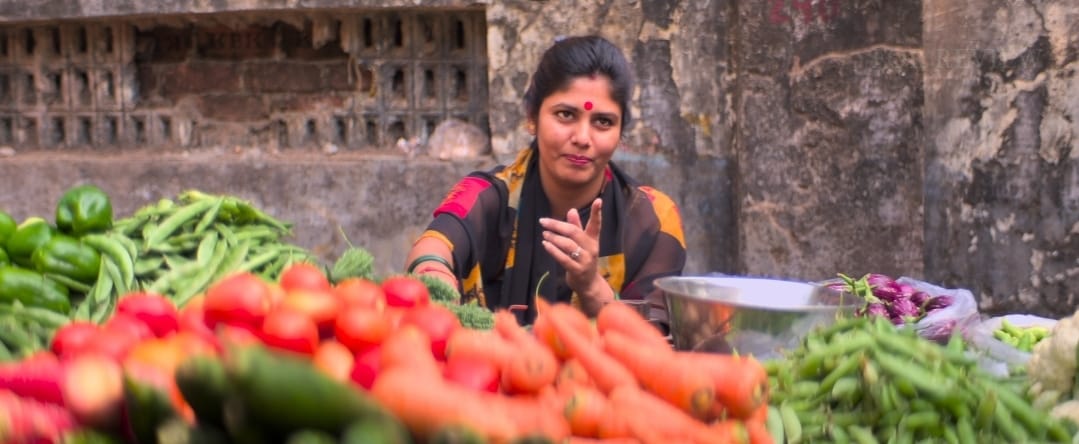
Film Stills

GOD’S CHILD
18-year-old Isaiah is home from college and this time for good. If there were problems with his academics, they have now been doubled by his parents troubled marriage, and another mystery reason he hasn’t finished college?
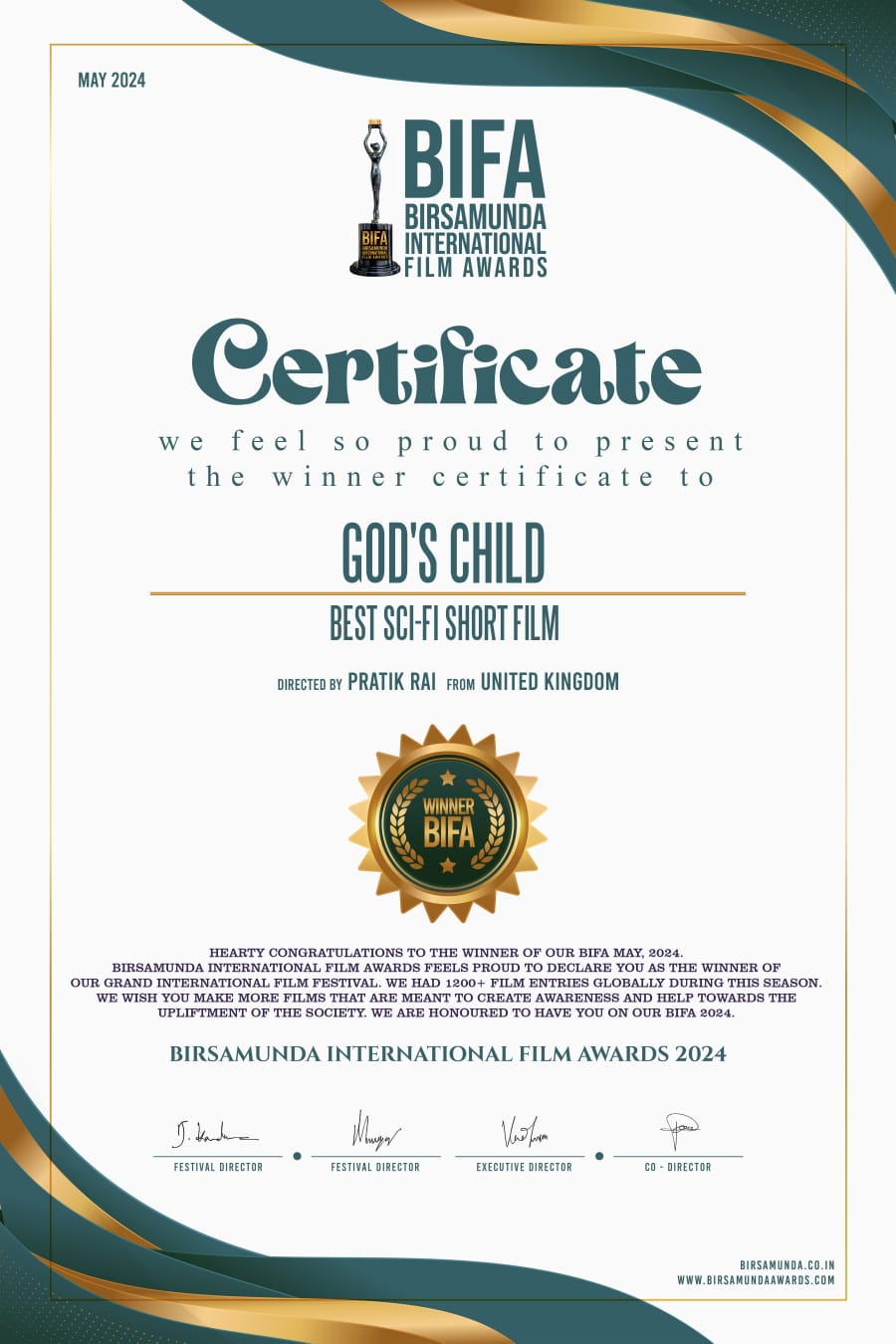
Written and directed by: Pratik Rai.
Awards & Selections